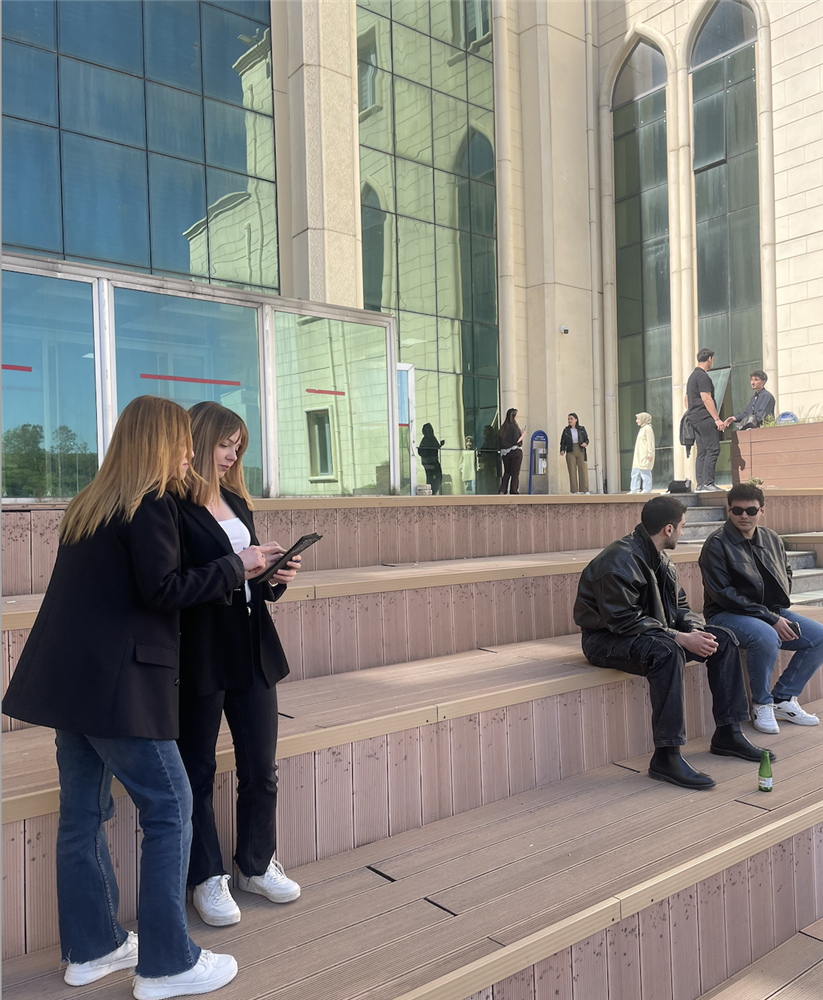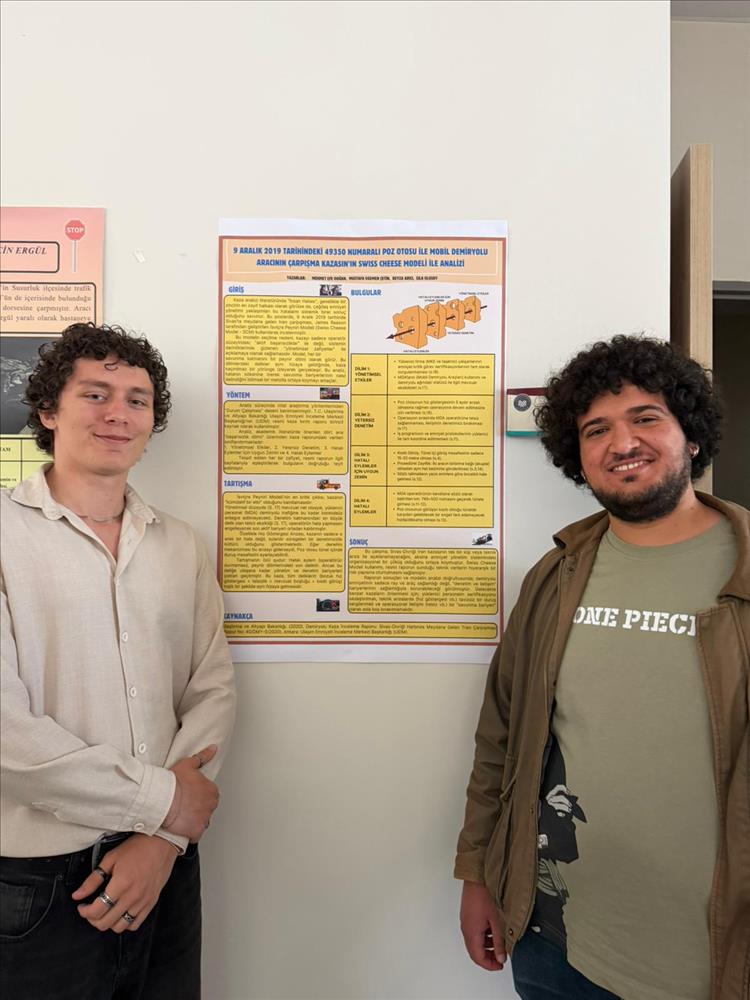


Fourth-year students of the Department of Psychology at the Faculty of Humanities and Social Sciences, Yalova University, analyzed the campus culture within the scope of the Intercultural Psychology course through the cultural theories of Geert Hofstede and Shalom Schwartz. Field observations conducted in classrooms, cafeterias, dining halls, and student clubs revealed that the campus has a dynamic structure where traditional and modern values coexist.
Campus Dynamics Within Hofstede’s Theory
According to the students’ evaluations, the relationship between academics and students on campus reflects a friendly and democratic atmosphere. The ease of communication with academics and students’ ability to express their opinions openly indicate a low power distance. However, administrative procedures, disciplinary practices, and security regulations reveal a more visible authority structure.
The analyses also showed that students tend to display a cooperative and collectivist attitude in social life, while adopting a more competitive approach regarding academic achievement and grades. Campus entrance systems, academic regulations, and exam-related processes were interpreted as indicators of a tendency to avoid uncertainty.
Perspectives Based on Schwartz’s Value Theory
Within the framework of Schwartz’s value orientations theory, students’ ability to express original ideas in classes and take active roles in student clubs was associated with autonomy values. On the other hand, strong friendship groups and social belonging were interpreted within the context of embeddedness values.
In addition, solidarity, empathy, and the harmonious coexistence of students from different cultural backgrounds demonstrate that universalism and benevolence values are strongly maintained on campus.
Conclusion
This study demonstrates that Yalova University campus is not only an academic environment but also a vibrant cultural ecosystem where competition and solidarity, rules and freedom, and individuality and belonging coexist together.

.jpeg)